
Our 'Keto' Preset Isn't the Diet the New Trial Tested
A trial published August 27th in Cell Metabolism found a strict ketogenic diet, just 4% of calories from carbs, cut liver fat 67% and reversed prediabetes in half its participants. Mr BITE's own Keto preset lands closer to triple that carb share before you've even counted the grams.
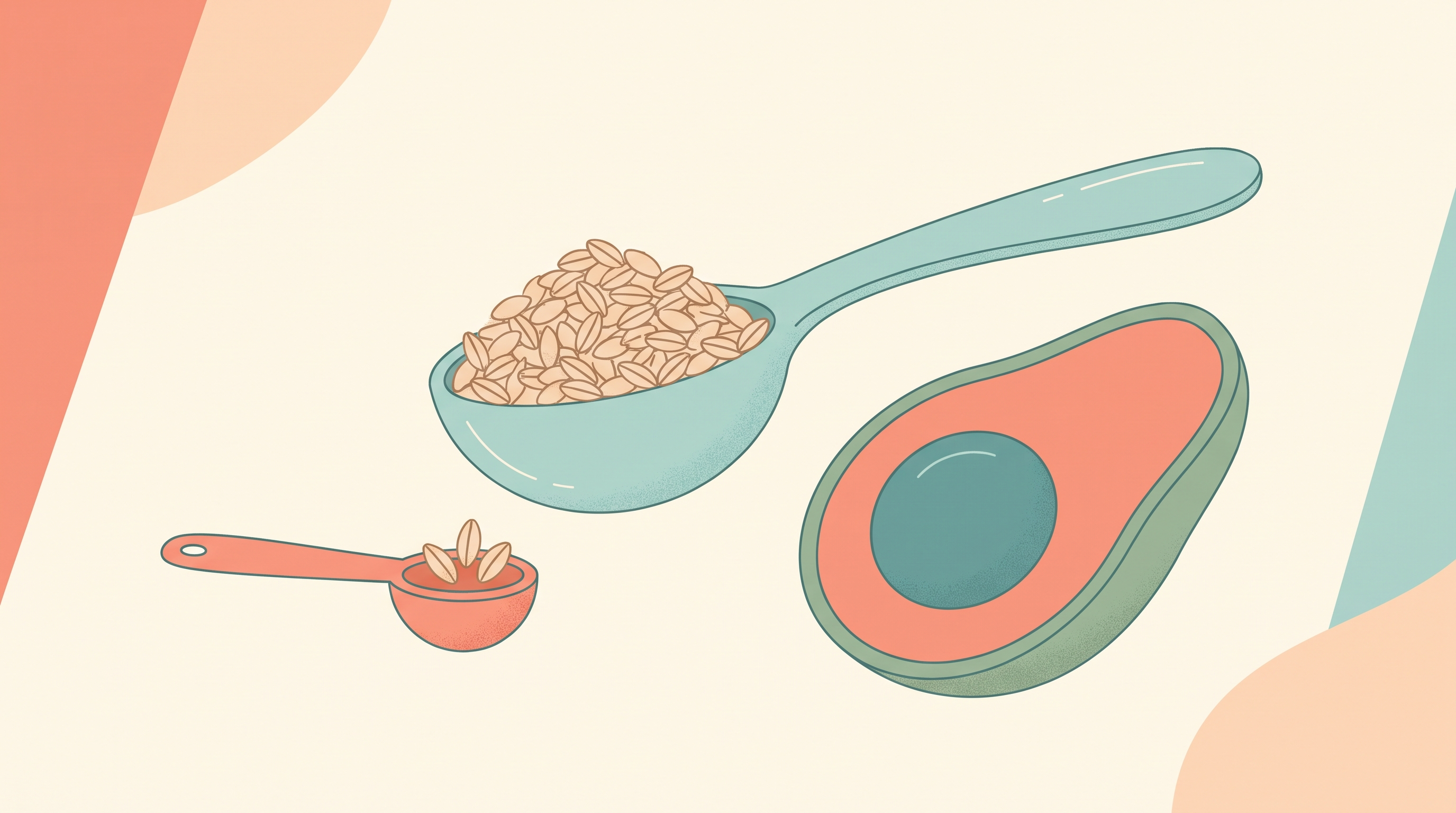
A trial published August 27th in Cell Metabolism, run out of Washington University School of Medicine in St. Louis, did something most keto studies don’t bother doing: it fed people. Forty-two adults with obesity, prediabetes and fatty liver disease were randomly assigned to a ketogenic diet, a Mediterranean diet, or a low-fat, plant-forward diet, and every meal was provided by the study for four to five months, calories tailored so all three groups lost roughly the same amount of weight, about 10% of body weight. Same weight loss, three different diets. What wasn’t the same was everything else. The keto group cut liver fat by 67%, against 45% in the other two groups. About half of the keto group no longer met the criteria for prediabetes afterward, against 29% on the Mediterranean diet and just 7% on the low-fat plan. The keto group also posted the largest jump in glucagon, a hormone that helps mobilize fat out of the liver, and the biggest drop in insulin. It’s a small trial, and a tightly fed one at that, so I’d be careful extrapolating it to how anyone eats when they’re buying their own groceries. But the diets themselves were reported with real numbers: the ketogenic arm ran at 4% of calories from carbohydrates and 73% from fat. Not “low carb.” Four percent.
So I went and checked what our own “Keto” preset actually hands a user, because I had a feeling I already knew the shape of the answer and I wanted to see the number. calculateMacros.ts gives Keto a protein target of 2.0g per kg bodyweight, then splits whatever calories are left after protein 20% to carbs, 80% to fats. That “20%” is the number in the preset’s own description field, and it’s already doing something sneaky before you get to bodyweight: it’s 20% of calories remaining after protein is subtracted, not 20% of the day’s total calories. Run the actual math for a 90kg person eating 2,200 calories: protein comes out to 180g, which is 720 of those calories, leaving 1,480. Twenty percent of that remainder is 296 calories of carbs, or 74 grams, which works out to about 13.5% of the full day’s calories, not 20%, and nowhere near 4%. Fat lands around 54% of the day, well under the trial’s 73%. Run it again for a smaller person, or a bigger one, and the total-calorie carb share barely moves, it stays parked around 13 to 14%, because protein and the 20/80 split scale together. There’s no absolute carb ceiling anywhere in the function, just a percentage of a percentage, and the percentage it lands on is more than triple what a Cell Metabolism trial just called ketogenic.
I don’t know how load-bearing that 4% actually is. The trial doesn’t tell us whether 74 grams of carbs a day would have blunted the glucagon response or the liver fat number, that wasn’t the comparison it ran, and I’m not going to pretend a single 42-person feeding study settles what “real” ketosis requires for everyone. What I can say is that our preset is not a rounding error away from the diet in that trial, it’s a different diet wearing the same four-letter label, and the app never tells a user that. Someone picks “Keto” expecting the thing the label means, gets a target that’s closer to a moderate-carb cut than to anything that would reliably produce ketosis for most bodies, and has no way to know that from inside the app. Fixing the label to match the number, or fixing the number to match the label, is a real product decision I don’t have made yet. What I don’t have anymore is a way to call the current gap a rounding error.
BITE of the Week: A Link Isn’t a Standing Order to Keep the Original
Version status is unchanged: 1.10.0, cut August 22nd, is still the build sitting in app store review; 1.9.0 remains what’s live on both stores. This week’s fix didn’t wait on either, since it lives in recipeImport.ts and the shared chat function, not the client, so it shipped to prod the day it was written.
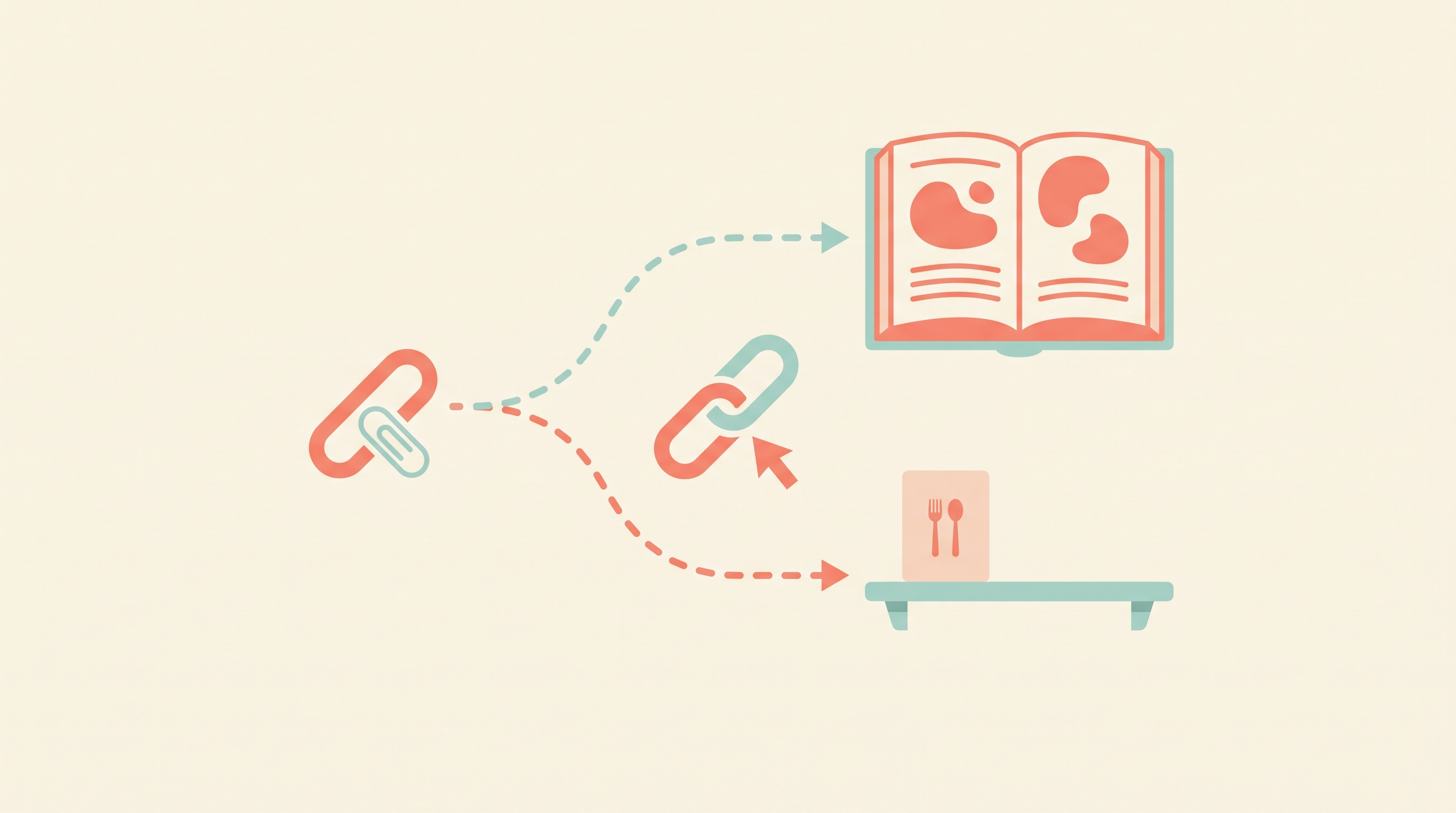
The question that started it, recorded straight in the commit: why does a pasted link save automatically to My Recipes when the user might only want a changed version of it? The saving itself was never the bug, it’s deterministic on purpose. That’s a scar from a real 2026-07-16 incident where the model was left to decide whether to import at all, said “importing now,” and imported nothing. Code has started every read since. What was actually wrong was the destination being unconditional regardless of what the user asked for. The fix reads the user’s own words before deciding where the recipe lands. A bare link, or a link with “save this,” goes straight into My Recipes exactly as before. A link carrying a change request, “I want this but with a carb,” “make it dairy free,” “a vegan version,” now parks the untouched original on a separate shelf instead, one that never surfaces in My Recipes, because it’s working material for the adaptation the user actually asked for, not the thing they asked to own. The model gets told as much when the job finishes, so it can say plainly that only the adjusted copy will show up in the library. The fork logic picked up the one distinction it was missing along the way too: Bite’s own draft recipes on that shelf still update in place when edited, but an imported original forks off into the user’s own copy, the same as any recipe they already own, since adapting someone else’s recipe and revising your own draft aren’t the same act. Destination logic is mutation-tested through the real pipeline now, with the paths that can’t be exercised that way pinned as source instead.
Three Quick Bites
-
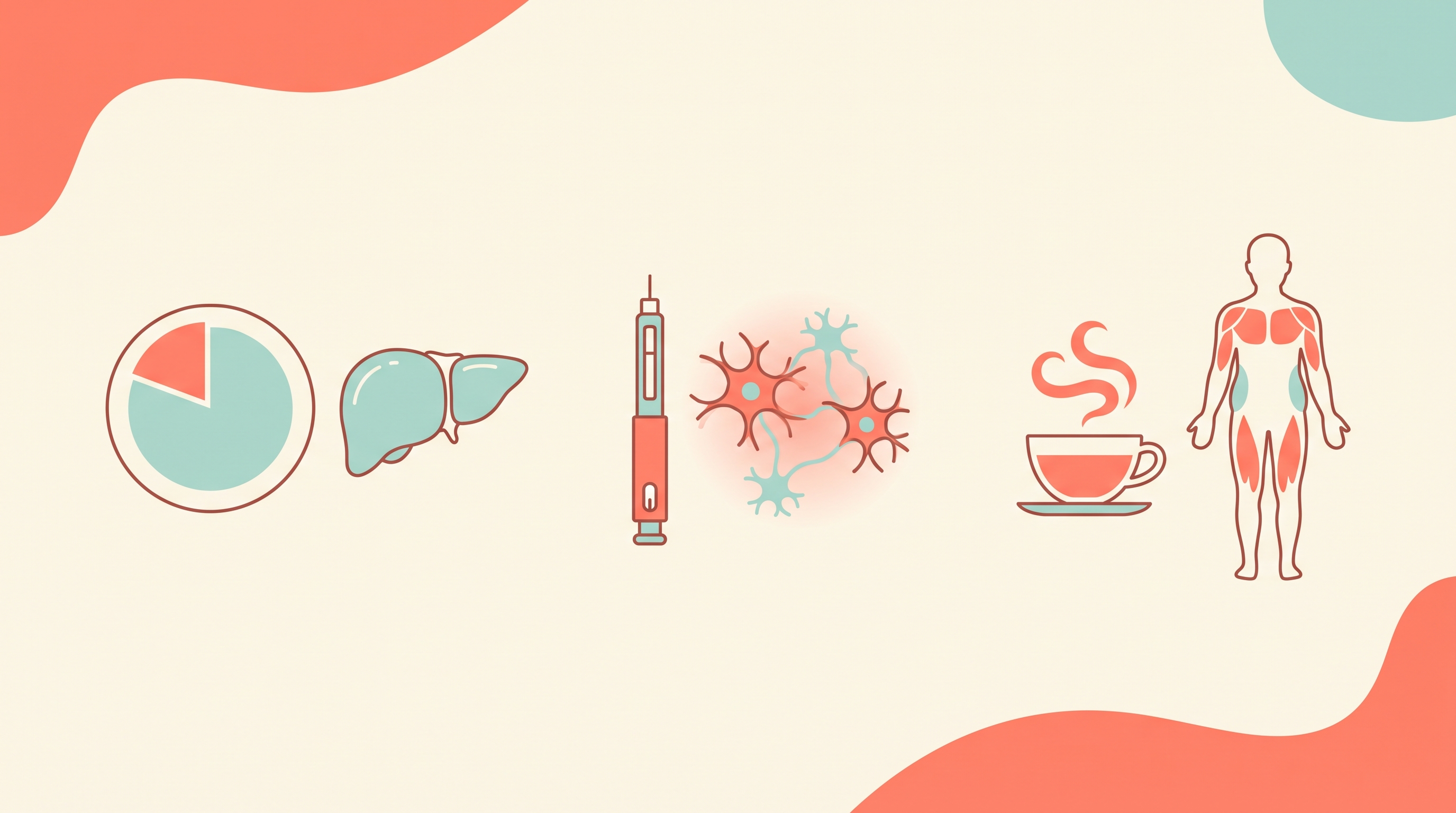
The Cell Metabolism trial behind the essay above: 42 adults with obesity, prediabetes and fatty liver disease were fed a ketogenic, Mediterranean, or low-fat plant-forward diet for four to five months, and all three groups lost about 10% of body weight, but only the ketogenic group (4% of calories from carbs, 73% from fat) cut liver fat by 67% and pushed half its participants out of prediabetes. The Mediterranean and low-fat groups saw 45% liver fat reduction and 29% and 7% prediabetes remission respectively. It’s a small trial with every meal provided by researchers, so it shows what’s possible under controlled feeding, not what happens once people are back to shopping for themselves. ScienceDaily
-
A Yale-led study published in PNAS on August 4th found that in female mice on prolonged GLP-1 treatment, AgRP neurons, the brain’s “hunger neurons,” got recruited to help sustain fat loss rather than simply getting silenced, and disrupting those neurons weakened the fat loss even though the mice kept eating less. It’s mice only, and it directly contradicts a 2025 Northwestern study in the Journal of Clinical Investigation that concluded these same drugs silence AgRP neurons rather than activate them, so the mechanism behind why GLP-1 drugs work this well is still genuinely unsettled science. ScienceDaily
-
A University of Oulu study of 2,264 people from the Northern Finland Birth Cohort 1966, published in the European Journal of Nutrition, found that habitual coffee drinkers had less total and visceral fat and more skeletal muscle than lighter drinkers despite similar BMIs, plus lower levels of amino acids tied to insulin resistance and type 2 diabetes risk. The study also turned up sex-specific hormone differences in male coffee drinkers. It’s cross-sectional, so it can show the association without proving coffee itself causes the difference. ScienceDaily
Tool of the Week: Cronometer
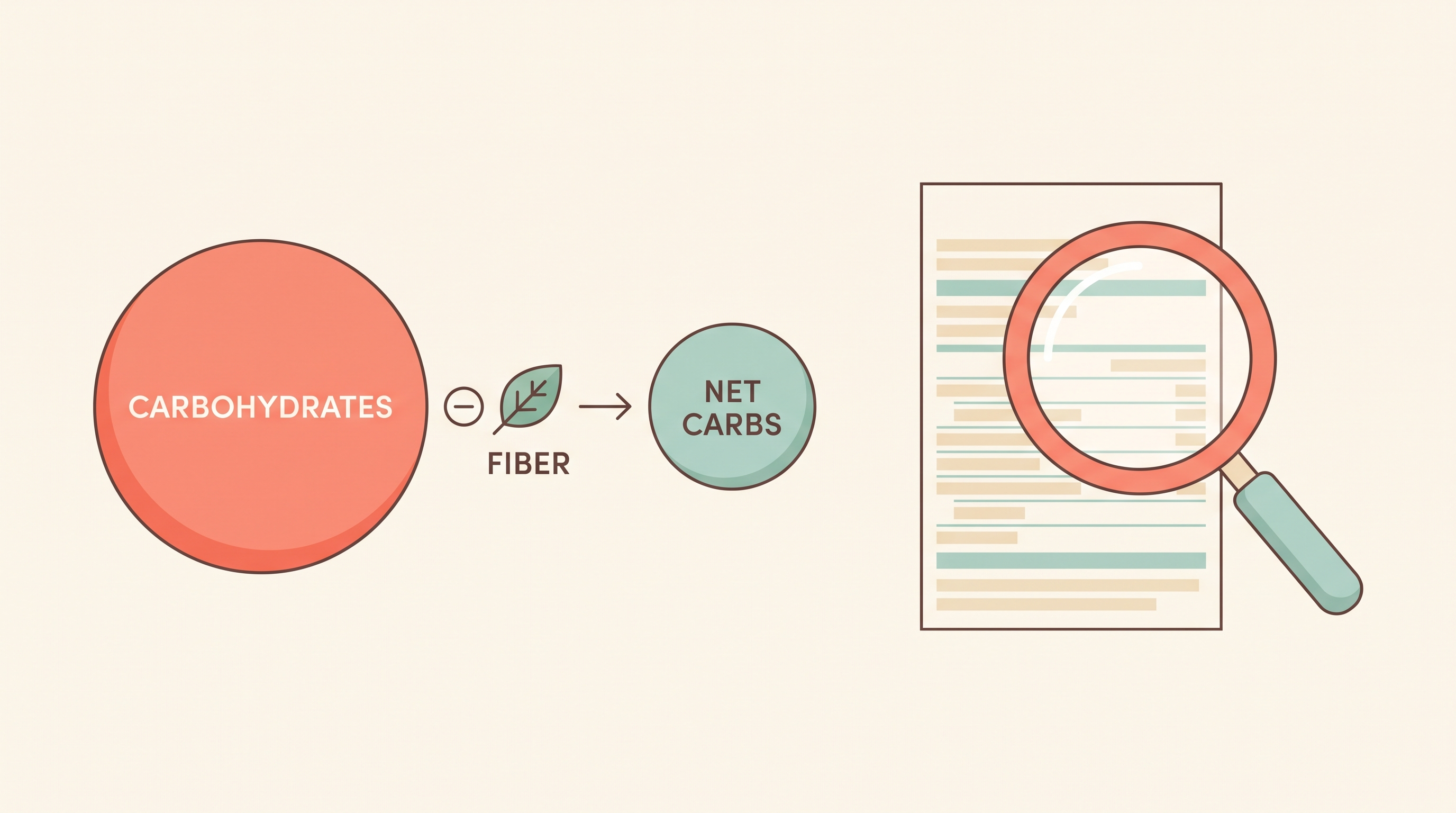
Since this issue is about a “keto” number that’s really a total-carb percentage in disguise, this week’s pick is a food tracker that draws the distinction our preset doesn’t: net carbs. Cronometer’s free tier logs total carbohydrate, fiber, and sugar alcohols separately and shows you the net figure, total carbs minus fiber and (optionally) allowed sugar alcohols, which is the number that actually predicts whether a body stays in ketosis, not the total-carb gram count most trackers surface by default. It also pulls from a more heavily curated nutrient database than most free apps bother with, so the numbers behind that subtraction are less likely to be someone’s guess. For readers actually trying to hit a ketogenic range: it’s a legitimate free way to see the number that matters instead of the one that’s easiest to compute. For builders: it’s a working example that “net carbs” isn’t an exotic feature, it’s fiber and total carbs, both of which most food databases already carry, just multiplied through to a number nobody’s routing to the user yet. Cronometer. Free tier available, no credit card required.
Thanks for reading. If you’d rather your coach’s “keto” meant the diet that just won a clinical trial, Mr BITE is free on iOS and Android.
Michael, building Mr BITE