
The Nutrient
Nutrition, AI, and building in the open
Short, honest notes on where nutrition tech is heading — and what we're learning while we build Mr BITE. New issues land here first.
-
 The Nutrient A 200,000-Person Study Ties Late-Night Eating to a 36 Percent Higher Risk of Fatty Liver Disease. Mr Bite Stamps Every Meal with the Exact Minute It Was Logged, Then Throws That Minute Away Before Its Coach Ever Sees It. An OHSU-led analysis of nearly 200,000 people found that eating after your own bedtime raises the risk of cirrhosis and fatty liver disease. Mr Bite already timestamps every logged meal to the minute and already asks users for their bedtime, but the pipeline that feeds its coach collapses a whole day's meals into one total before either number is ever compared.
 -
 The Nutrient Two Unrelated Recalls Named Undeclared Sesame This Week. Mr Bite Already Wrote the Allergy Checker That Would Catch It, and Never Pointed It at a Barcode Scan. Oliva LLC's baba ghanouj and hummus and Pan Pepin's Para Bien Al Grano were both flagged for undeclared sesame in the same ten-day window. Mr Bite already has a careful allergen-matching function built for AI meal plans, sesame synonyms included, but it is never called when a user scans a barcode, and the barcode pipeline does not even fetch the ingredient text it would need.
 -
 The Nutrient A Nature Metabolism Study Matched Two Meals on Every Nutrient and Still Got Different Insulin Spikes. Mr Bite's Barcode Scanner Never Asks Open Food Facts the One Field That Would Tell It Why. A Virginia Tech trial published October 5th fed 32 adults two meals matched within 1 percent on calories, carbs, fat, protein, water and salt, one ultraprocessed, one not, and found real differences in insulin, blood sugar and brain reward activity anyway. Mr Bite's own barcode pipeline pulls a product's nutrients from Open Food Facts but never requests nova_group, the one field that would say how processed it is.
 -
 The Nutrient A New Study Found GLP-1 Users Report Nail Detachment at Four Times the Rate of Non-Users. Mr Bite's Safety Filter Blocks the Word 'Medication' Before It Reads the Rest of the Sentence. A multinational survey presented at the EADV Congress in early October found GLP-1 users reporting nail detachment and hair loss at several times the rate of non-users. Checking Mr Bite's own onboarding and chat safety code found a single lumped 'medical condition or medication' checkbox and a keyword filter that hard-blocks any message containing the word 'medication,' with nothing in between that tells a GLP-1 side effect apart from a request for a dosage.
 -
 The Nutrient A New Meta-Analysis Says the Vitamin D Pill You Pick Can Work Against You. Mr Bite Doesn't Track Vitamin D At All. A University of Surrey-led meta-analysis published October 7th found that taking vitamin D2 supplements measurably lowers the more effective D3 form already in your blood. Checking Mr Bite's three separate nutrient pipelines, recipe imports, barcode scans and the one screen built to display a vitamin, found Vitamin D missing from every single one.
 -
 The Nutrient Nine Sick People Named the Same Cheese From Memory. Mr Bite's Own Quick-Log Screen Keeps That Exact Amount of Detail. A raw milk cheese outbreak that has sickened 13 people, most of them small children, was only traced because investigators asked sick patients to recall what they'd eaten by name. Checking Mr Bite's own logging paths found that barcode scans and packaged-food search both capture a real brand and barcode, but the generic quick-log screen behind most small-producer foods like this one keeps only a typed name, no more durable than what the outbreak investigators had to work with.
 -
 The Nutrient A Pasta Recall and a Sprout Outbreak Both Named Exact Products This Week. Mr Bite Already Has Their Barcodes and Has Never Checked One. A Walmart pasta recall expanded to every lot code and a CDC-tracked sprout outbreak grew to 76 cases this week, both built entirely around exact product identifiers. Checking Mr Bite's own barcode pipeline found that same identifier sitting in our database the whole time, with no code anywhere that has ever checked it against a recall.
 -
 The Nutrient Abbott Just Paired a Glucose Monitor With a Dietitian. Mr Bite's Health Sync Has Never Once Asked a Phone for That Number. Abbott and Berry Street announced a partnership on September 23rd linking the Lingo continuous glucose monitor to live dietitian coaching. Checking what Mr Bite's own Apple Health and Health Connect integrations actually read back found steps, heart rate, sleep and energy burned, but never glucose, even though the word already sits in the code that decides when a chat question needs careful handling.
 -
 The Nutrient A Nature Study Says Sugar Makes Antibiotics Hit Your Gut Harder. Our Database Already Has a Sugar Column, and It's Always Zero. A NYU Langone study published September 30th in Nature found gut microbial diversity dropped an extra 21 percent for every 100 grams of sugar eaten in the two days before antibiotics. Checking what Mr Bite could do with that found a sugar field that never survives into a logged meal, a database column built for it that's never once been written to, and no way for a user to even say they're on antibiotics in the first place.
 -
 The Nutrient AI-Generated Bodies Are Showing Up in Teen Eating-Disorder Cases. Our Own Safety Filter Only Catches the Words a Crisis Already Says Out Loud. Axios reported this month that mental-health experts are watching AI body content with rising concern as teen eating-disorder hospitalizations climb. Testing Mr Bite's own chat safety filter against the kind of indirect language clinicians say matters most found it only trips on explicit crisis phrases, not the quieter talk that usually comes first.
 -
 The Nutrient A UCSF Study Tied Cutting Processed Food to Easing Depression. The Nutrient Behind It Never Reaches Bite's Daily Total. A UCSF pilot published September 23rd in JAMA Psychiatry found cutting ultra-processed food eased depression symptoms, pointing to gut inflammation as the likely mechanism. Checking what Bite does with fiber, the nutrient most directly tied to that mechanism, found it gets fetched into the app and then thrown away before it ever reaches a daily total.
 -
 The Nutrient Cornell Found 'Low Sodium' Labels Hide Added Sugar. Our Scanner Can't Even Show You the Sodium. A Cornell analysis of 145,609 packaged foods found health claims like low sodium and no trans fat often hide a trade-off elsewhere on the label. Checking whether Bite would let you catch that trade-off yourself turned up a real gap in our own barcode scanner.
 -
 The Nutrient A Kitchen-Scale Study Says AI Food Photos Miss by 300 Calories. We've Never Run That Test on Our Own. NIDDK researchers weighed 102 meals to the gram, photographed them, and ran the photos through four popular AI apps, finding calorie counts off by 250 to 345 per meal. Bite does the same kind of photo estimate every day, and we have never measured our own error against a scale.
 -
 The Nutrient Google Spent Three Years Warning Fitbit Users Before Deleting Accounts. Bite's Own Migration Just Said 'Contact Support.' On September 11th Google Health cut off Fitbit account logins, the last step in a migration it started warning users about in 2022 and pushed back twice. Reading Bite's own September auth migration found the opposite: an error message that told real people to email support for a fix our own database could already perform, corrected only today.
 -
 The Nutrient The FTC Rolled Back Its Health App Breach Guidance. Bite's Privacy Policy Never Had One to Roll Back. On September 9th the FTC rescinded a 2021 statement that pulled health apps into breach notification duty, saying the real obligation already lives in the 2024 rule. Reading Bite's own privacy policy turned up a Data Security section with zero mention of what happens, or when we'd tell you, if it ever failed.
 -
 The Nutrient The FTC Made Amazon's Refunds Automatic. Killing Our Trial Still Needs a Step Nobody Has Confirmed. On September 18th the FTC made Amazon's Prime dark-patterns refunds fully automatic, no forms required. We killed our own yearly free trial the day before, but the commit that did it names one manual dashboard step nobody has confirmed is done.
 -
 The Nutrient OpenAI Defaulted Health Data Sharing to On. Bite Never Built a Way to Turn It Off. On September 14th OpenAI made ChatGPT Health share your connected data by default unless you touch a settings toggle. Checking Mr Bite's own AI consent screen turned up a plainer gap: one bundled yes, asked once, with no toggle anywhere to take it back.
 -
 The Nutrient Adam's Law Asks If a Chatbot Notices Danger. Ours Was Never Built to Look. California's newly signed Adam's Law requires chatbot operators to detect a minor's self-harm risk and respond. Mr BITE's chat safety filter has five categories for disordered eating and medical topics, and none at all for self-harm.
 -
 The Nutrient Our Coach Sees You Dismissed a Nudge. It Never Learns Why. A September 12th piece on AI health coaches argues the real test is whether a coach remembers what happened and changes course, not just answers the question in front of it. Mr BITE's chat clears half of that test automatically and only clears the other half if the model decides to go looking.
 -
 The Nutrient Open Food Facts Flags Its Own Bad Data. Our Scanner Never Asks to See the Flag A University of Virginia dietitian who hand-tested AI diet-tracking apps this month flagged shifting crowdsourced databases as a real accuracy risk. Mr BITE's own barcode lookup downloads Open Food Facts' own trust and completeness signals on every scan and never reads a single one of them.
 -
 The Nutrient Sugar Alcohol Turns Into Fructose in the Liver. Our Diary Doesn't Have a Field for It A Science Signaling study out of Washington University found sorbitol, the 'sugar-free' sweetener in half the sugar-free candy aisle, converts into liver-damaging fructose when gut bacteria can't keep up. Mr BITE's nutrient model has no sugar-alcohol field anywhere, on any food source, for any user.
 -
 The Nutrient Our Diary Was Built to Total Calories. It Was Never Built to Catch a Deficiency GLP-1 pill prescriptions hit new highs this week, and a Nutrients review published August 23rd warns the same appetite suppression driving weight loss puts protein, vitamin D and iron at risk. Mr BITE's diary sums six macro fields for every food source in the app, and the two micronutrients it does capture never make it past a single recipe screen.
 -
 The Nutrient Our Photo Scanner Runs a Better Model Now. That Was Never the Hard Part On September 4th we switched Mr BITE's photo scanner to Claude Sonnet 5, backed by a peer-reviewed comparison of vision-language models on food photos. The same paper says the real gap isn't which model you pick, it's that every one of them still loses badly to a professional nutritionist.
 -
 The Nutrient Our Recipe Database Doesn't Know What 'Ultra-Processed' Means Either HHS and USDA submitted the federal government's first proposed definition of ultra-processed food on August 10th, and industry groups are already fighting to slow it down. Mr BITE's own barcode lookup queries the exact database that already scores processing level, and our code explicitly leaves that field out of the request.
 -
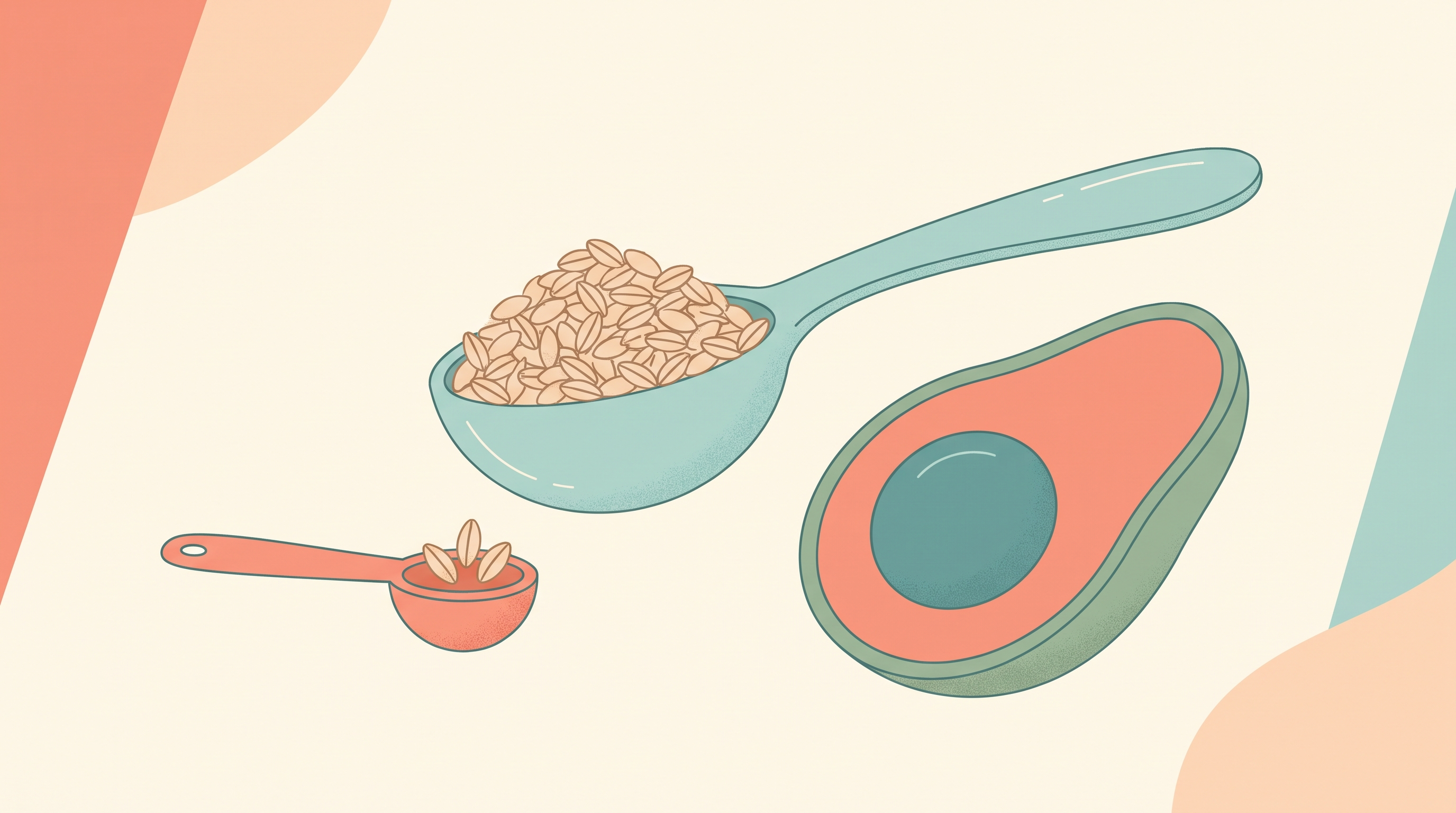 The Nutrient Our 'Keto' Preset Isn't the Diet the New Trial Tested A trial published August 27th in Cell Metabolism found a strict ketogenic diet, just 4% of calories from carbs, cut liver fat 67% and reversed prediabetes in half its participants. Mr BITE's own Keto preset lands closer to triple that carb share before you've even counted the grams.
 -
 The Nutrient Our Protein Targets Never Ask How Old You Are A widely debated new review argues protein needs should be personalized by age and life stage, not one flat number for every adult. Mr BITE already collects a user's age to calculate calories, then drops it completely before deciding how much protein they should eat.
 -
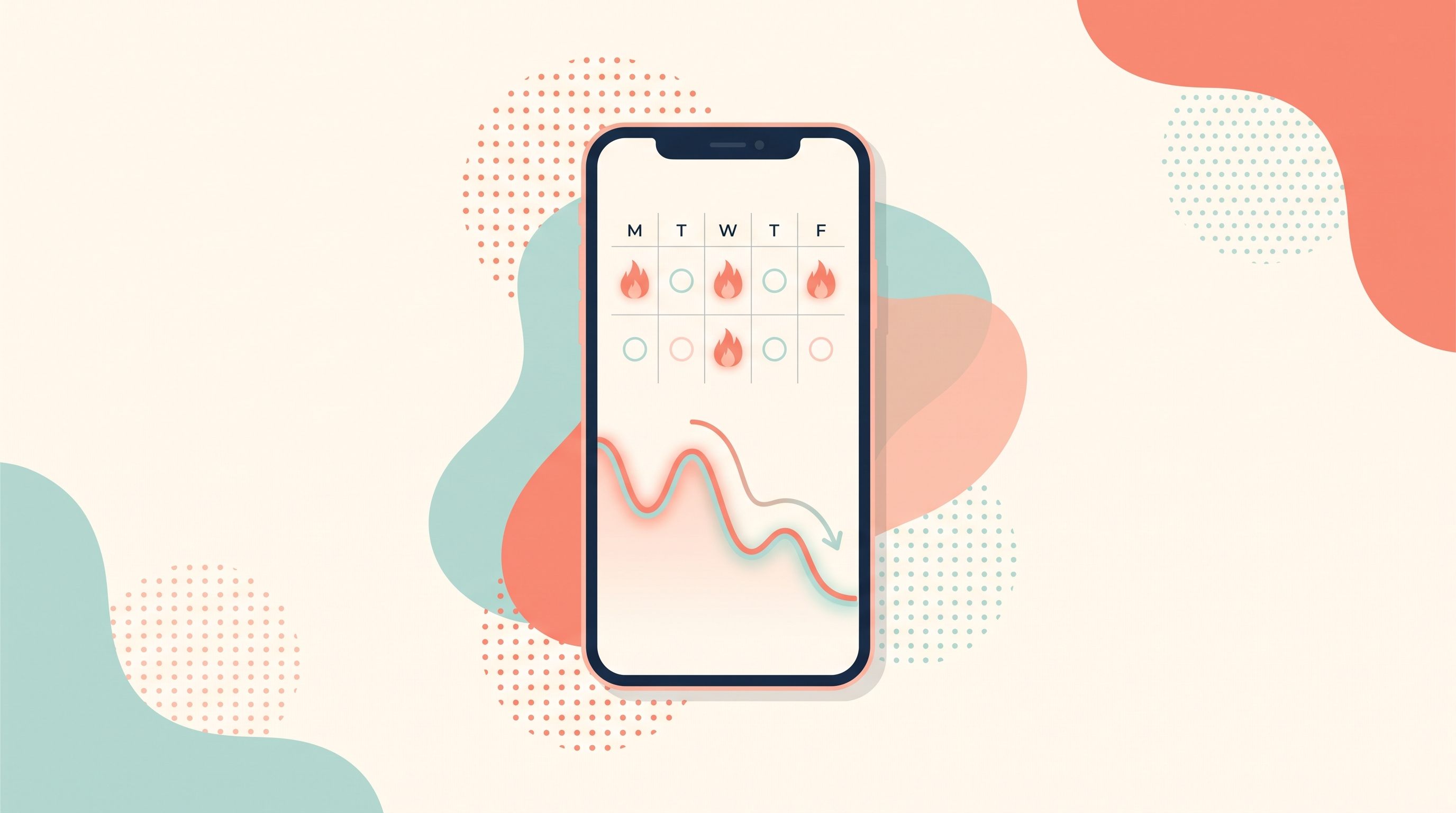 The Nutrient The Feature That Would Prove You're Succeeding Is Locked Behind the Wrong Metric A new JMIR study of 5,132 food-tracking app users finds that logging 2-3 days a week, not perfectly, still predicts real weight loss. Mr BITE's own Progress tab stays locked until a user strings together 7 straight days, the one pattern that study says isn't what matters.
 -
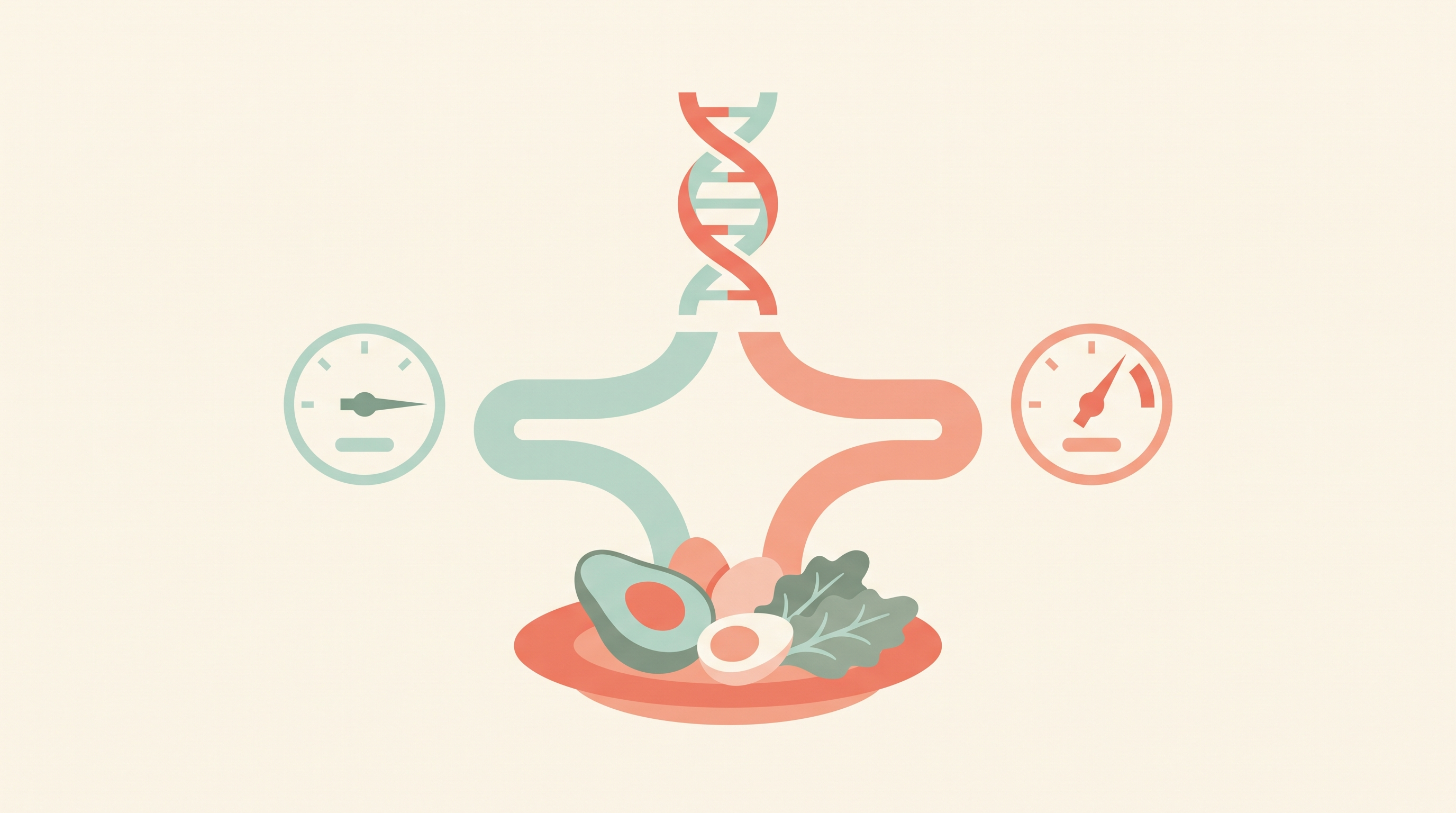 The Nutrient The Keto Preset Doesn't Know What Your Genes Already Decided New Stanford research presented at NUTRITION 2026 finds a low-carb, high-fat diet spikes LDL cholesterol sharply in people who are genetically predisposed to it, and barely moves it in others. Mr BITE's Keto macro preset, 80 percent of calories from fat, is one tap away from any user, with no cholesterol or genetic screening standing between them and it.
 -
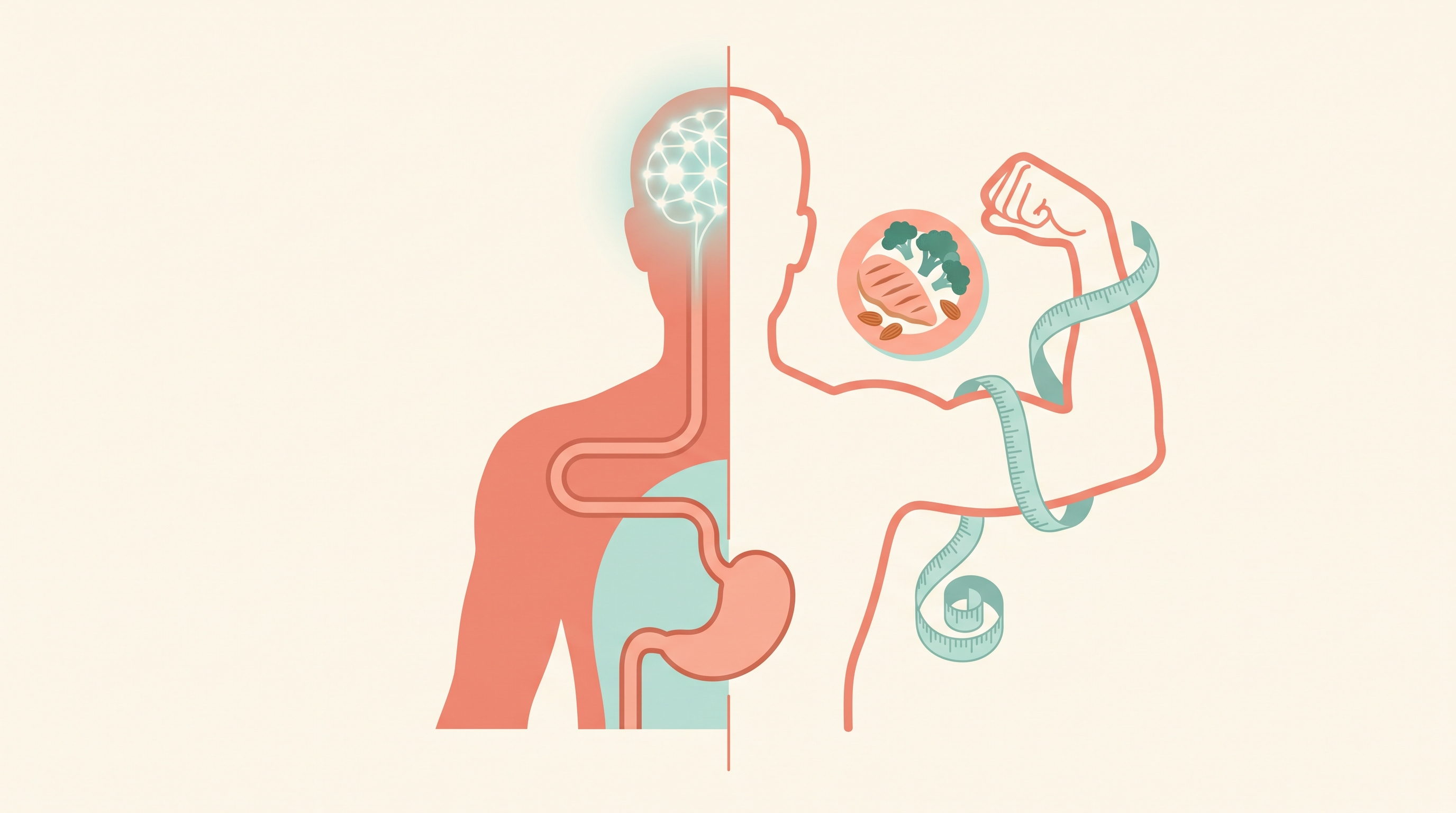 The Nutrient The Protein Number Was Never the Hard Part A new Yale-led study finds GLP-1 drugs may reprogram metabolism rather than just suppress appetite, and separate research shows most people on them fall short on protein anyway. Mr BITE's own protein formula already lands in the right range. Our safety logic guarantees the people who disclose a GLP-1 never see it.
 -
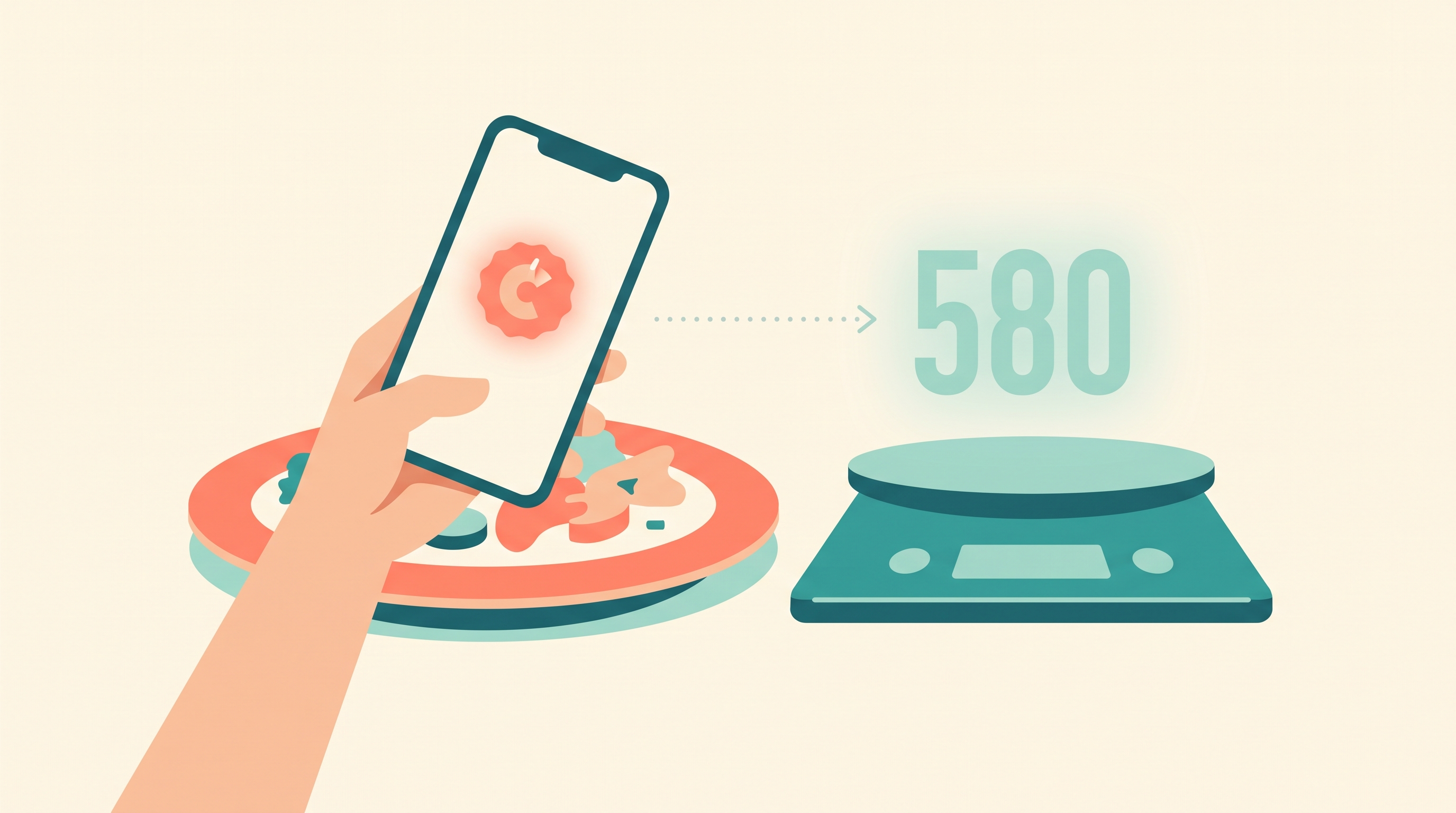 The Nutrient The Confidence Label Was Never a Substitute for a Scale A NUTRITION 2026 study found four popular AI photo-calorie apps underestimate meals by roughly a third against real, weighed ground truth. Mr BITE already tags its own photo estimates with a confidence label, and we've never tested whether that label means anything.
 -
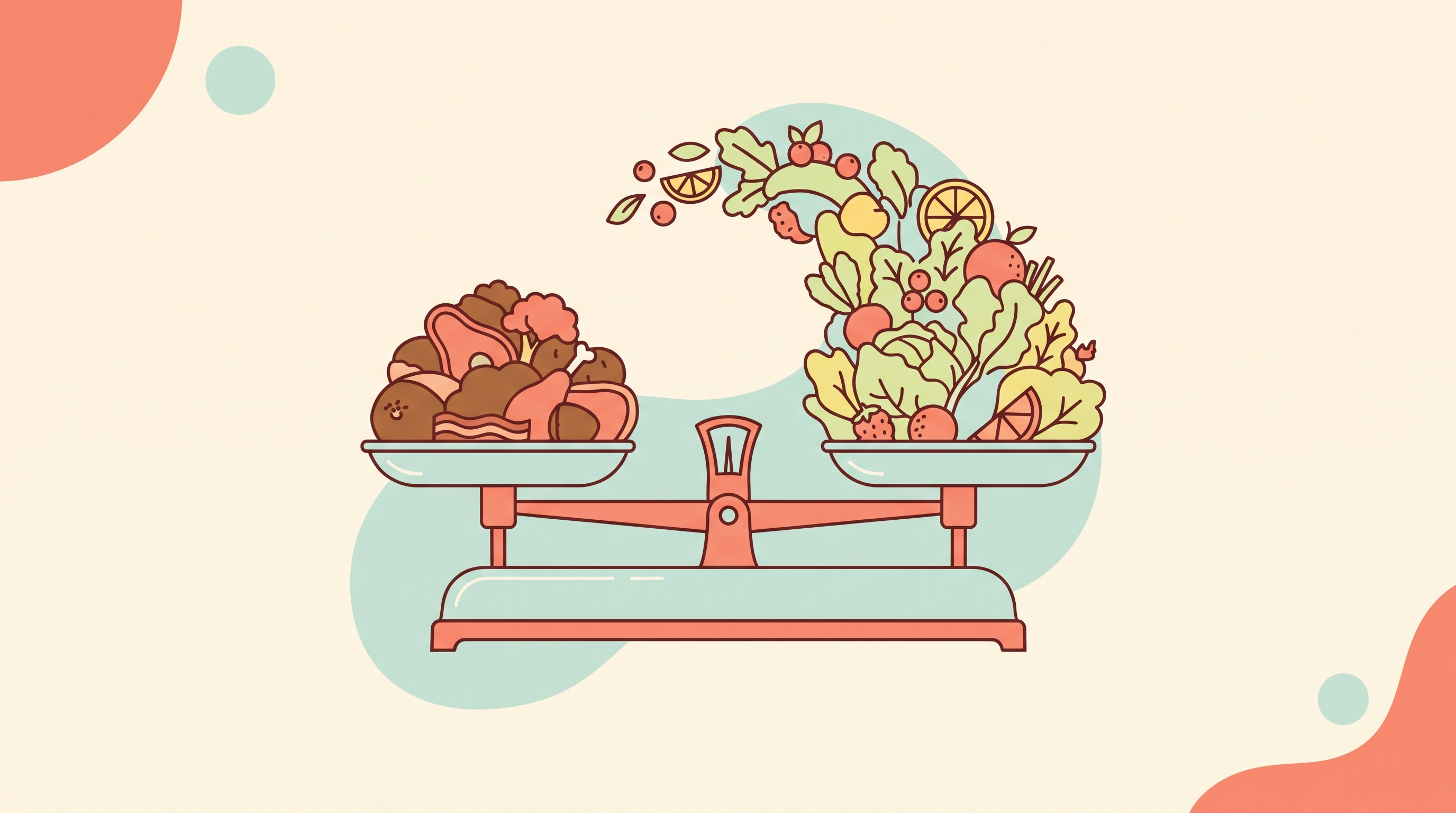 The Nutrient The Calorie Total Was Never the Actionable Number A JAMA Network Open trial found a low-fat vegan diet cut people's dietary energy density by nearly a third, and they lost weight without eating less food or counting a single calorie. Mr BITE logs the exact numbers that measure would need and has never shown it to anyone.
 -
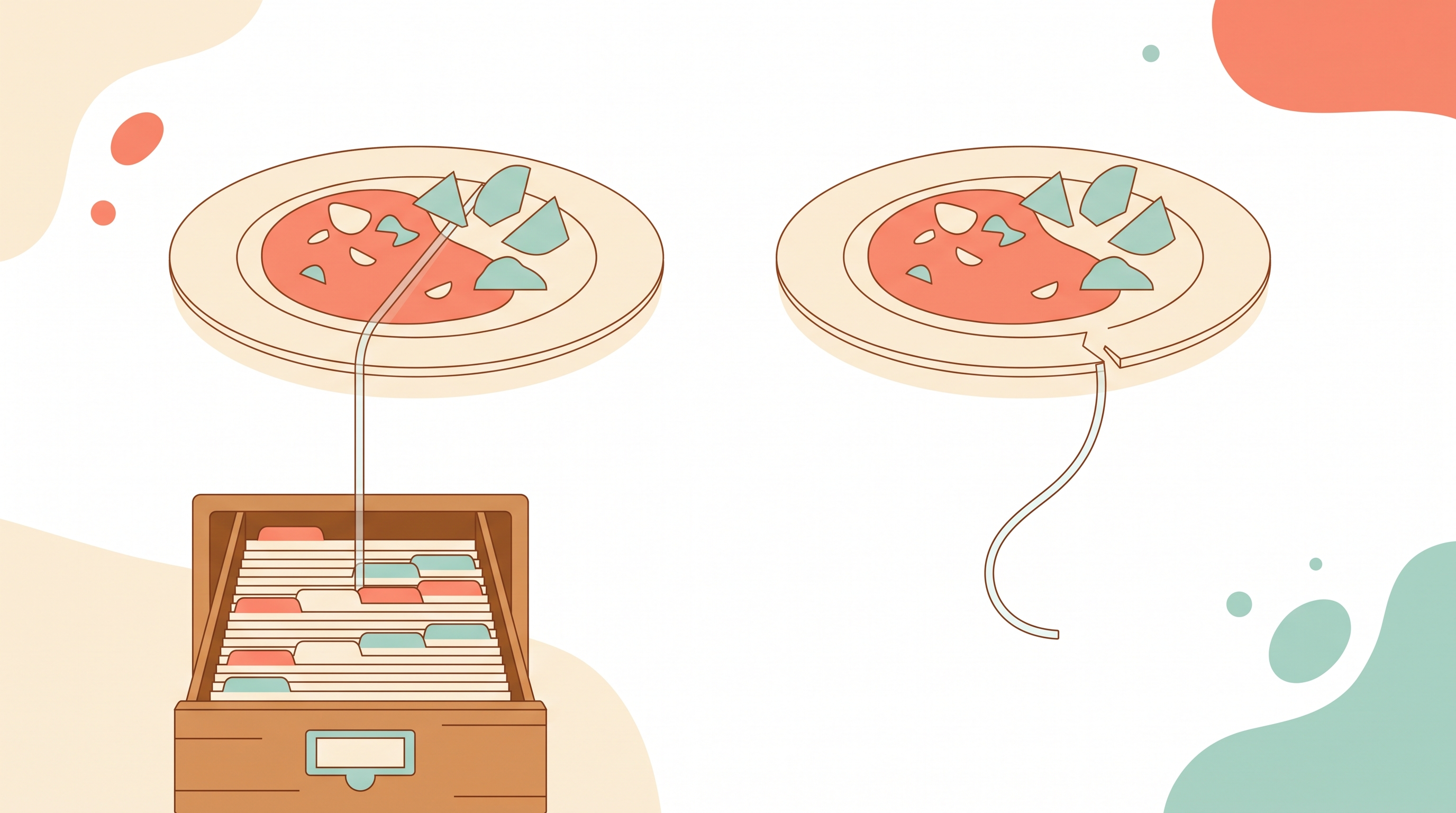 The Nutrient Grounding an AI Coach in Real Data Is the Easy Half Emory's new NutriCamp app estimates 65 nutrients by retrieving from USDA's own database instead of trusting a model's memory, which is exactly the right call. Our week proved the harder problem: telling a grounded answer from an invented one after the fact.
 -
 The Nutrient Every App Hands Out the Same Protein Target, and the Science Disagrees A 350-paper review out of the University of Wisconsin-Madison found protein needs hinge on how active someone actually is, not age or weight alone, which most nutrition apps, Mr BITE included, don't yet act on.
 -
 The Nutrient The Rules of Thumb Baked Into Every Food Score Just Had a Bad Week Three separate controlled trials published in the same week each undercut a different diet rule of thumb: avoid full-fat dairy, cut sweetness to kill cravings, treat fruit juice as sugar water. None of them are rules we chose to believe. All of them are things a food score can quietly assume anyway.
 -
 The Nutrient The Right Answer to a Scary Headline Is Sometimes 'We Don't Know Yet' A new Wistar Institute study found a common sugar helps cancer cells escape and spread, in mice and lab dishes, not in people. What an AI nutrition coach owes a user who asks about it is a harder problem than the biology.
 -
 The Nutrient A Federal Definition Won't Make Ultra-Processed the Right Number Days after a 200,000-person study found diet quality beats processing level at predicting disease, the FDA sent its official ultra-processed food definition to the White House. Writing a category into law doesn't fix what was wrong with asking the question in the first place.
 -
 The Nutrient The Right Protein Number Depends on Whether You Move A 350-paper review found protein restriction mostly benefits sedentary adults, while active people and older adults preserving muscle still need more. One static protein target for every user, the industry default, is the wrong kind of simple.
 -
 The Nutrient Ultra-Processed Was Never the Number That Mattered A 200,000-person, four-decade Harvard study found diet quality predicts heart disease and diabetes risk far better than how processed a food is. That's a problem for any app, ours included, tempted to slap a processed-food score on your plate.
 -
 The Nutrient AI Food Photos Can't See the Butter A new NIDDK study found photo-tracking apps underestimate calories by up to 345 per meal, mostly because fat is nearly invisible in a photograph. What that means for anyone trusting a number an AI gives them.
 -
 The Nutrient AI Just Stopped Being the Selling Point AI became a commodity in nutrition apps this year. The real moat now is trust: clinical validation, safety work, and earning the right to hold someone's health data.