
The Right Answer to a Scary Headline Is Sometimes 'We Don't Know Yet'
A new Wistar Institute study found a common sugar helps cancer cells escape and spread, in mice and lab dishes, not in people. What an AI nutrition coach owes a user who asks about it is a harder problem than the biology.
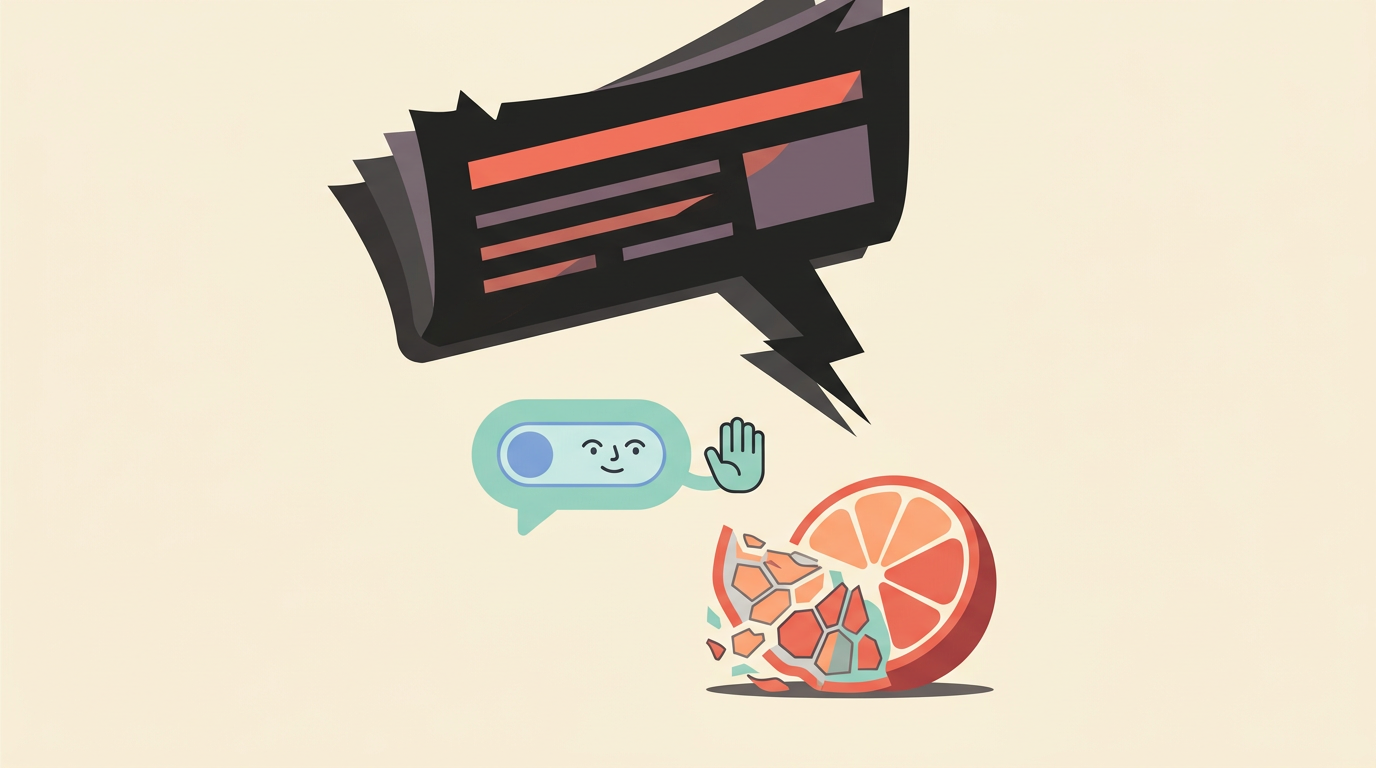
On July 30th, researchers at the Wistar Institute in Philadelphia published a finding in Nature Aging that is going to reach one of our users before it reaches most nutritionists. Ovarian cancer cells that survive chemotherapy, the study found, release fructose as a kind of chemical signal to the cells around them: the sugar suppresses cholesterol inside those neighboring cells, and because cholesterol is part of what keeps cells stuck to each other, the neighbors lose their grip and spread more easily. It’s a genuinely interesting mechanism, worked out with a CRISPR screen and a battery of lab techniques, and the researchers are already asking whether it shows up in other cancers that spread the same way inside the torso: pancreatic, colon, liver. It is also, and the researchers say this plainly, a finding in mice and cultured cells. Nobody has shown that fructose in a person’s actual diet drives cancer progression in their actual body.
That gap, between “we found a mechanism in a dish” and “your fruit is dangerous,” is where headline writers live. It’s also exactly where an AI nutrition coach lives, because a headline like “common sugar linked to cancer spread” is precisely the kind of thing that gets typed into Mr Bite by someone who is scared, maybe someone with a cancer diagnosis somewhere in their own life, asking whether they should stop eating fruit this week. What the app says back matters more than what the study actually says, because the study is careful and the reply might not be.
I bring this up now partly because of the study and partly because of our own week. We spent a chunk of this cycle finding and fixing a bug where Mr Bite would confidently answer a completely unrelated message, a settings question, a plain “thanks”, with a recipe recommendation nobody asked for, because a scrap of leftover context made the gate think a recipe was being requested. Nobody asked for that answer. It got given anyway, with total confidence, because the system had no mechanism for knowing what it didn’t actually know. A scary science headline is the same failure shape with real stakes attached: the model has read the same July 30th coverage everyone else has, it can absolutely generate a fluent paragraph about fructose and cancer, and fluent is not the same thing as honest about what tier of evidence that paragraph is standing on.
This is also, as it happens, close to what the FTC spent July asking the public about. Its proposed policy statement on AI accuracy, open for comment through July 31st, treats an AI system’s output as a representation the company behind it is making, and says a system that quietly steers away from the accurate answer toward whatever sounds more satisfying, without disclosing that it’s doing so, can be the kind of thing that counts as deception under the FTC Act. Nobody involved was thinking about fructose and ovarian cancer when they wrote that. But “the honest answer is uncertain, and the reply gave a confident one instead” is exactly the gap it describes, and a nutrition coach parroting a mouse study back as settled fact is a small, specific instance of it.
The actual fix on our end isn’t complicated to state, even if it’s tedious to build well: an answer touching a preclinical finding needs to say preclinical, in mice, in cells, not yet shown in people, every single time, not as a footnote a model might drop under pressure to sound more helpful. That’s a worse-sounding answer than “yes, cutting back could help.” It’s also the only one that’s actually true right now. Issue 1 of this newsletter argued that AI stopped being nutrition apps’ selling point somewhere around a year ago, and that trust is the only moat left standing. This is what trust looks like in a single reply: being willing to tell someone what the science hasn’t shown yet, on the one day their fear about it is loudest.
BITE of the Week: Nine Taps, One Update That Never Ran, and the Lock We Should Have Had First

Version status first. 1.7.0 (iOS build 100, Android build 131) went out August 9th and bundles the new meal planner plus everything else we’ve built since 1.5.0, the last version we can actually confirm reached anyone. 1.6.0, cut August 4th and covered last issue, was never confirmed to have shipped at all, so its notes are folded into 1.7.0 instead of getting counted twice. Whatever’s on your phone right now is almost certainly still 1.5.0.
The real story this cycle started with a tester tapping “Yes, do it” nine times in a row, trying to confirm a step-count update that just wouldn’t go through, and watching Mr Bite treat every message they sent afterward as if it were still answering that same request. Two things were going wrong at once. First, the app was showing the “Yes, do it” buttons before it had actually finished saving what they’d be confirming, so a quick tap landed on nothing and Mr Bite just asked the same question again. Second, several parts of the app were trying to update the same conversation at the same moment, and a slower background step kept finishing last and quietly overwriting the real answer with an old one. Every extra frustrated tap made things worse, because it kicked off another one of those background steps. Both are fixed now: we save first and show the buttons second, and we changed how updates get saved so two of them can no longer step on each other.
A closer look afterward caught two smaller versions of the same problem. If someone tapped “yes” twice at once, say from two devices, or because their connection retried, both taps used to be able to go through; now only one ever can. And if the app ever failed to save a confirmation in the first place, it used to show the buttons anyway, so a tap would land on nothing with no explanation. Now it just says so honestly instead of quietly asking again.
The same cleanup also finally fixed a data bug that had outlasted an earlier attempt to fix it: something in how we pulled up weight history was broken for every single user, so your week-in-review would quietly show no weight data at all, even if you’d been logging it. An earlier fix caught a similar bug elsewhere but missed this one. This time we also added a check that catches this kind of mistake automatically, so it can’t quietly slip through again.
Separately, we tracked down why Mr Bite kept answering things like a plain “thanks” or a settings question with an unprompted recipe suggestion. Some recipe text the app attaches behind the scenes, invisible to you, was accidentally tripping the same logic meant to catch real recipe requests. In testing against real conversations, that bug was hijacking about 7 out of every 10 unrelated replies. After the fix, it hijacked none.
None of this shipped under its own version number. It’s all merged and waiting for whatever store build comes after 1.7.0, which is honestly where most of the real work happens: fixed on our end, not yet in your hands.
Three Quick Bites
-
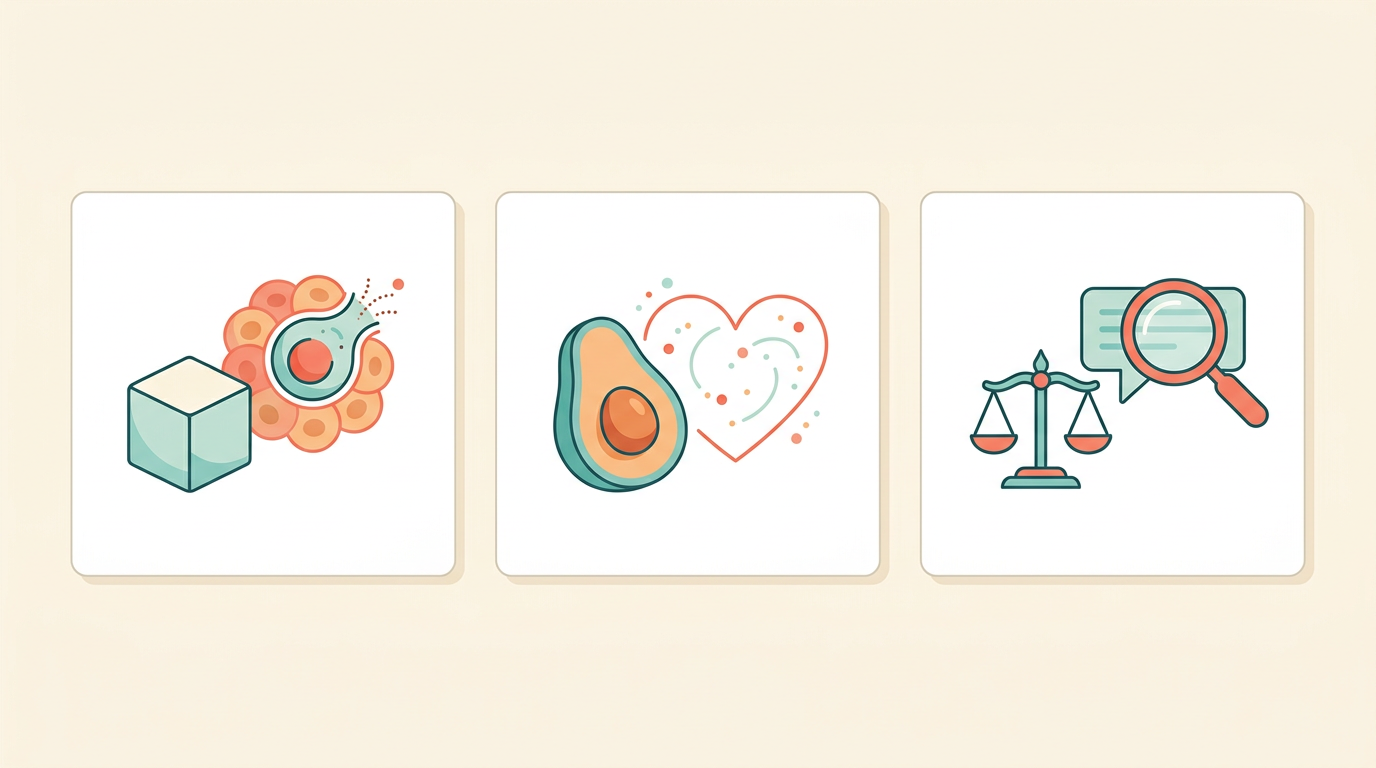
A Wistar Institute study found a common dietary sugar helps ovarian cancer cells escape and spread after chemotherapy, in mice and lab dishes. Published July 30th in Nature Aging, the research found that cancer cells surviving chemotherapy release fructose as a signal that suppresses cholesterol in nearby cells, weakening the grip that normally holds cells in place and letting them break away more easily. It’s the finding behind the essay above, and the researchers are explicit that it hasn’t been shown to work the same way through a person’s actual diet. ScienceDaily
-
A daily avocado modestly lowered a heart disease risk marker in adults with obesity, with no change in weight. A Penn State-led ancillary analysis of the Habitual Diet and Avocado Trial, published in the Journal of Clinical Lipidology, followed 786 adults with abdominal obesity for six months and found that eating one avocado a day lowered LDL particle concentration by 49 nmol/L, an estimated 4% reduction in heart disease risk, with no measured effect on weight or waist circumference. A rare case of one unglamorous dietary addition doing something measurable on its own. ScienceDaily
-
The FTC spent July asking the public whether AI systems that quietly steer away from accurate answers are being deceptive. Its proposed policy statement, open for comment through July 31st, treats an AI company’s output as a representation it’s making to users, and says a system that suppresses or distorts an accurate answer toward something else, without disclosing that it’s doing so, can violate the FTC Act’s ban on deceptive practices. It wasn’t written with nutrition chatbots in mind, but it describes exactly the gap this issue’s essay is about. FTC
Tool of the Week: PubMed
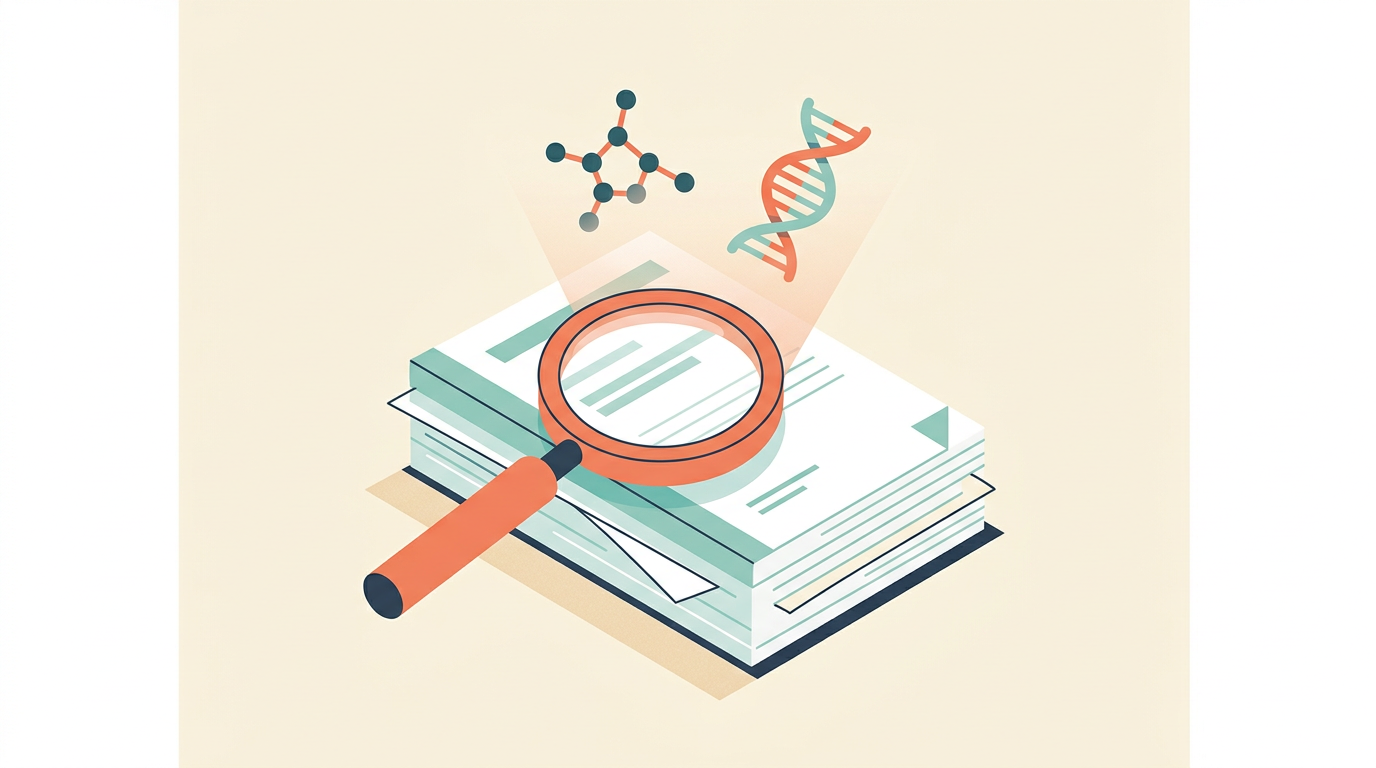
This week’s pick is the place to go the moment a headline like this issue’s cites “a new study.” PubMed is the National Library of Medicine’s free, public search engine over tens of millions of biomedical citations and abstracts, and it’s usually the fastest way to find out whether a claim making the rounds came from a mouse study, a small pilot, or a large human trial, often before the news coverage bothers to say. For readers: search the researcher’s name or the specific finding and read the abstract yourself, the methods line will tell you in a sentence who or what was actually studied. For builders: its free E-utilities API lets you pull structured metadata, study type included, programmatically, which is a genuinely useful building block if you ever want a coach that can cite its evidence tier instead of just its confidence. pubmed.ncbi.nlm.nih.gov. Free, public, U.S. government data.
Thanks for reading. If you’d rather your coach tell you what the science actually knows than what sounds reassuring, Mr BITE is free on iOS and Android.
Michael, building Mr BITE